

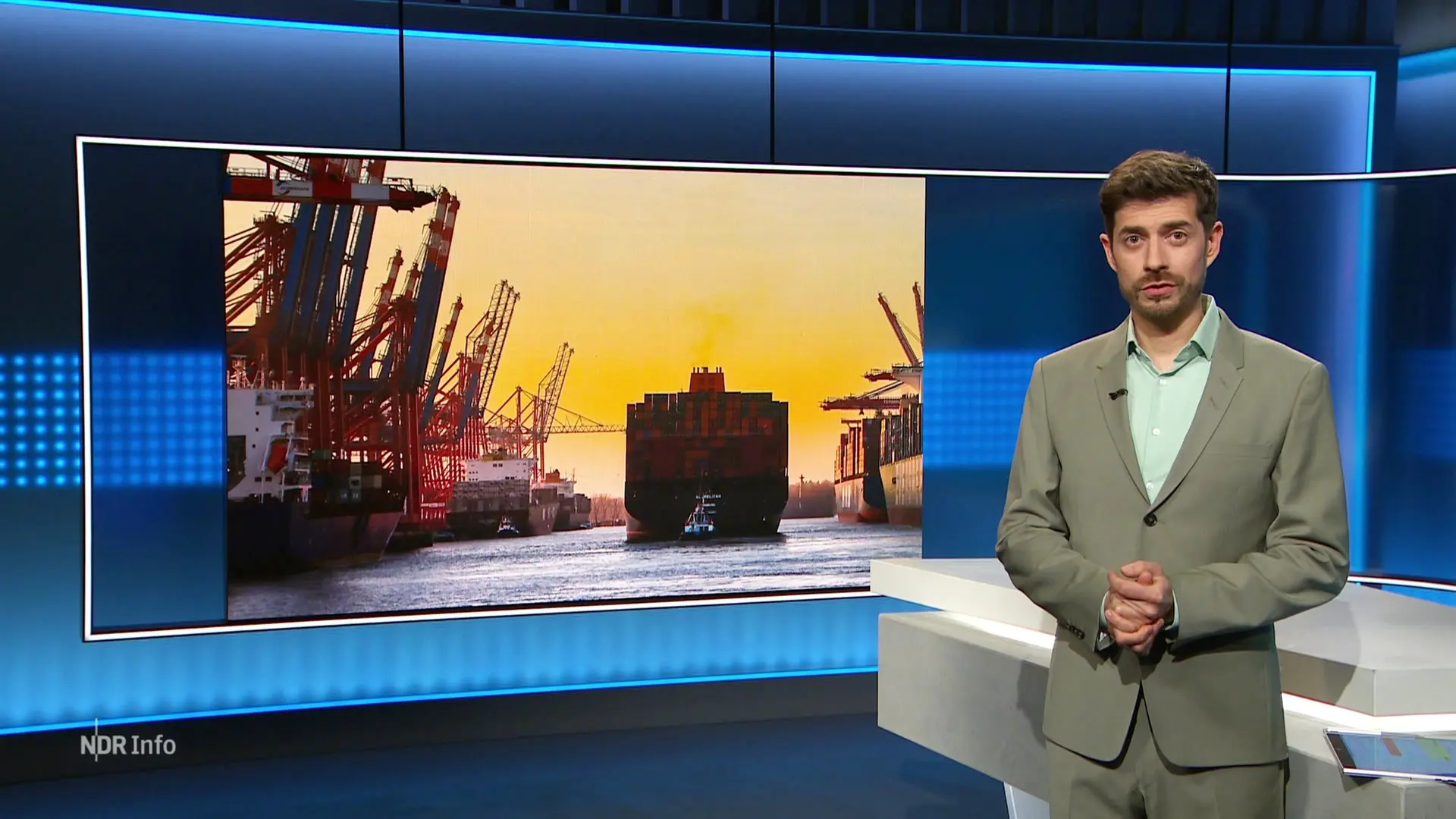
The latest NDR Info Nachrichten for the North, broadcast on April 8, 2026, at 21:45, highlighted critical developments concerning global shipping routes and regional economics. A primary focus was the Strait of Hormuz, where German shipping companies expressed cautious optimism despite ongoing geopolitical tensions. This optimism, however, comes with a significant demand: they are urging the German federal government to provide military protection for their vessels traversing this vital maritime choke point. The report, featuring insights from Kerstin Dausend, underscored the strategic importance of the Strait and the economic implications of potential disruptions for international trade, emphasizing the need for robust governmental support to ensure uninterrupted global supply chains.
Closer to home, the news offered little solace for motorists, with reports indicating no immediate relaxation at the nation’s petrol stations. The upward trend in fuel prices continues to impact consumers across the North, leaving many questioning when, or if, a significant drop can be expected. Nicolas Lieven’s report delved into the complexities behind these persistent price hikes, a situation that remains open-ended regarding its resolution. This issue is not isolated; it resonates with broader economic pressures, including the record-high costs for everyday goods such as chocolate, as recently reported by NDR. The continuous rise in fuel expenses creates a ripple effect, burdening household budgets and slowing down overall economic recovery and consumer confidence in the region.
The political landscape in Northern Germany is currently marked by significant investigations. State security services are actively probing incidents affecting several major political parties, including the CDU, SPD, Linke, Grüne, and SSW. Notably, the AfD is explicitly stated as not being implicated in these ongoing inquiries. This development signals a period of heightened scrutiny within the regional political arena, with implications for upcoming elections and public trust. Meanwhile, the economic sector continues to see a robust arms boom. While large manufacturers like Rheinmetall are clearly benefiting from increased defense spending and demand, the NDR report also highlighted that smaller, specialized firms are increasingly participating in and profiting from this growing industry. This demonstrates a broader economic impact beyond just the major players.
Beyond the major headlines, the NDR Info broadcast also covered a range of other topics impacting daily life and the environment in the North. In Winsen, the traditional asparagus harvest at Spargelhof Löscher commenced, with the farm’s own asparagus-sniffing dog ceremoniously unearthing the first spear of the season – a charming local custom. Environmental concerns remain prominent, with updates on the humpback whale in the Baltic Sea, which continues to struggle, showing minimal breathing, and raising questions about its fate. Furthermore, the issue of the overloaded forensic psychiatry system (Maßregelvollzug) in the region continues to push its operational limits, indicating systemic challenges in mental health and legal care. Other news items touched upon the 15th anniversary of the sandstorm on the A19, painting a comprehensive picture of life and events across Northern Germany.

