

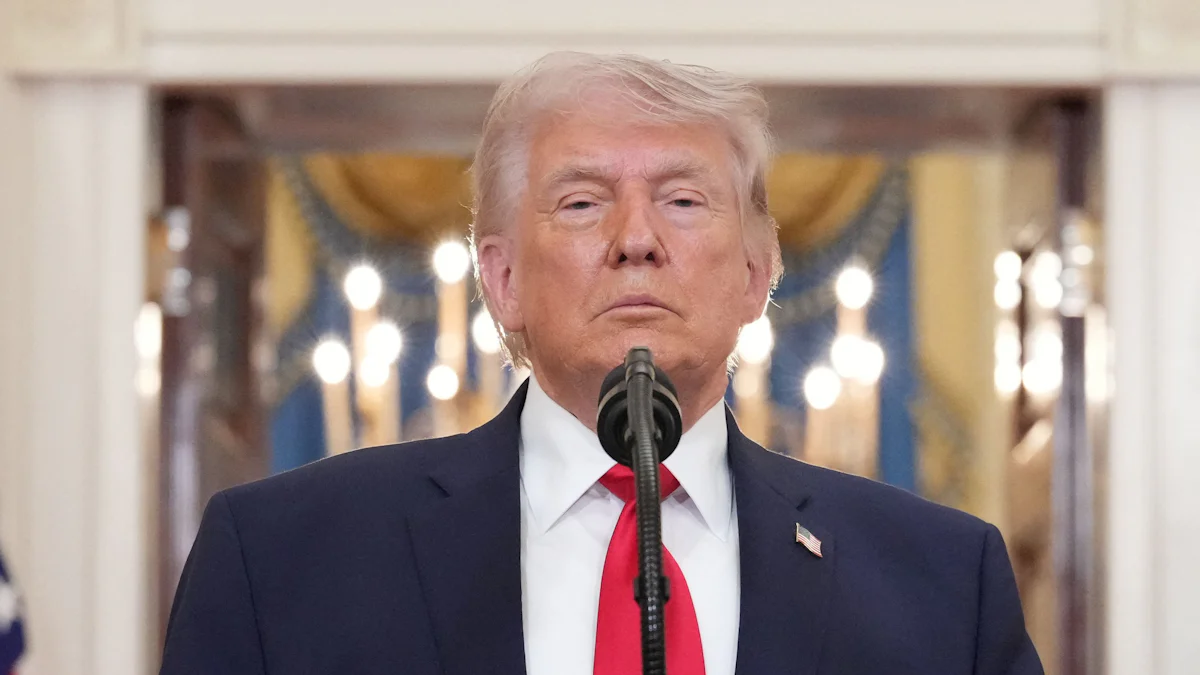
Former US President Donald Trump has unveiled an ambitious plan to significantly escalate the United States’ military expenditures, signaling a profound shift in defense policy should he return to the Oval Office. For the current fiscal year, the defense sector is already projected to receive approximately one trillion dollars. However, Trump’s proposed vision aims to dramatically increase this figure to an unprecedented 1.5 trillion dollars by 2027. This half-trillion-dollar surge in just a few years underscores a commitment to a robust reassertion of American military might on the global stage, amidst ongoing international tensions and a shifting geopolitical landscape, making it a central point of discussion.
The sheer scale of this proposed increase is remarkable, promising a massive injection of funds into the defense industrial complex. Such an escalation would likely finance extensive procurement programs for advanced weaponry, accelerate research and development into next-generation military technologies, and potentially expand personnel and operational capabilities across all branches of the armed forces. Proponents argue a stronger military is vital for deterring adversaries, protecting national interests, and maintaining global stability. The economic implications for industries reliant on defense contracts could be profound, stimulating growth and creating jobs in specific sectors, while raising fiscal questions.
However, a substantial increase in military spending of this magnitude attracts considerable scrutiny. The debate often centers on opportunity costs, questioning whether these funds could be better allocated to domestic priorities like infrastructure, healthcare, or education. Political opposition within Congress might emerge, particularly from those concerned about national debt or advocating for a more balanced federal budget. Furthermore, a significant unilateral boost in US defense spending could impact international relations, potentially prompting other nations to increase their own military budgets, fostering an arms race dynamic, or altering existing alliance structures and security paradigms.
Looking ahead, implementing such a bold defense spending agenda would require intricate negotiations and strategic planning. If enacted, it would reshape Pentagon priorities and influence the trajectory of global security for decades. The practicalities of absorbing such a massive budget, ensuring efficient allocation, and preventing waste would be paramount. Moreover, the impact on America’s allies, particularly within NATO, would be closely watched, as increased US military strength could be seen as both reassurance and a potential shift in burden-sharing expectations. Trump’s vision for an enhanced defense budget sets the stage for critical policy discussions with far-reaching consequences.

