

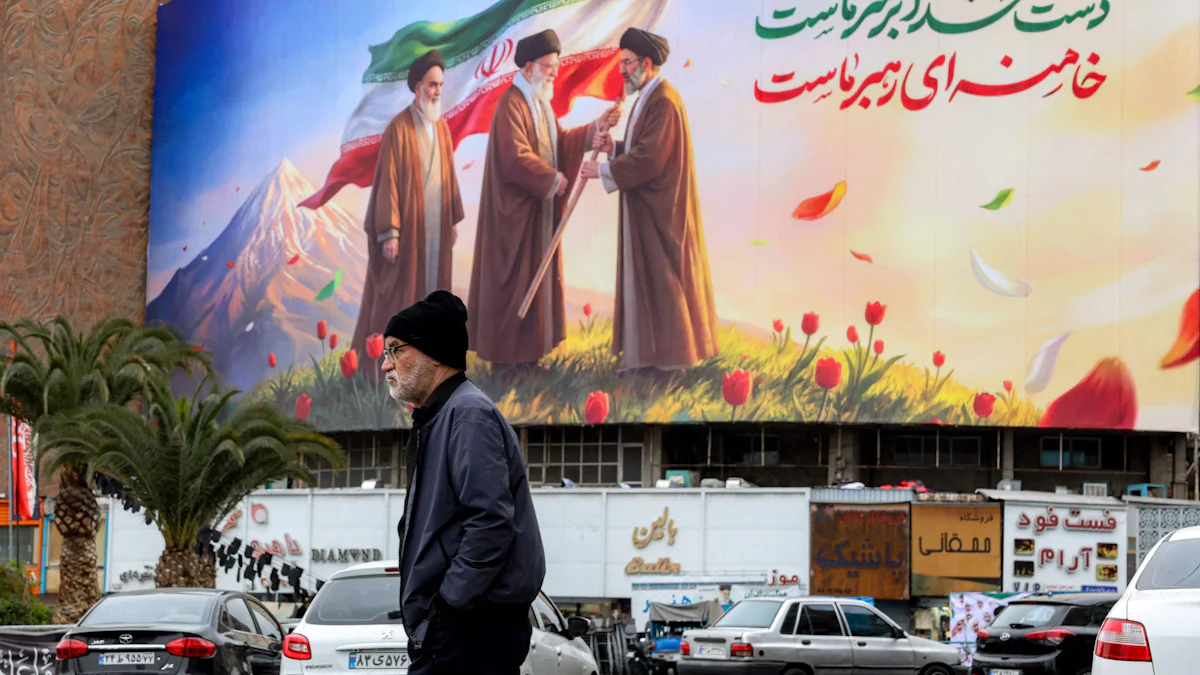
The Islamic Republic of Iran faces a critical juncture. Following the reported passing of Ali Chamenei, his son, Modschtaba Chamenei, was reportedly elected as the new Oberster Führer. State media announced his imminent address, promising a vital message. Yet, this anticipated appearance never occurred. Instead, a written “revenge message” was attributed to the new leader, fueling the mystery around “Das Phantom Teheran.” This deliberate absence and reliance on indirect communication raise significant questions about the transition’s true nature, internal power dynamics, and Modschtaba’s ability to project unified authority during immense pressure.
Despite the dramatic leadership change and regional instability, the Iranian regime surprisingly views the ongoing “Irankrieg” – encompassing broader regional confrontations – with optimism. From Teheran’s perspective, the geopolitical landscape might not be unfolding as negatively as the West perceives. This could stem from a belief in resilient alliances, effective proxy network deployment, or successful navigation of international sanctions. The regime likely interprets the lack of overwhelming military intervention as its strategic deterrence holding firm, allowing it to consolidate power and project strength externally.
In stark contrast, a significant portion of the Iranian population yearns for radical change. Among them are the Iranian Kurds, whose grievances against the central government have been reignited. The current volatile environment, particularly the leadership transition, is seen by many Kurds as an unprecedented opportunity to challenge and potentially overthrow the regime. There’s a palpable desire to engage in armed struggle, hoping for robust support from international actors. The dream of fighting alongside powers like Israel and the United States reflects a deep conviction that external backing is essential for their aspirations.
Yet, this Kurdish optimism is tempered by a bitter historical awareness: their repeated experience of being “used and then forgotten” by Western powers. Throughout decades of regional conflicts, Kurdish forces often served as crucial allies for Western interests, only to be abandoned once immediate objectives were met. This pattern breeds cautious pragmatism. While they desperately seek support, an underlying apprehension exists that their sacrifices might again be instrumentalized without leading to lasting change or recognition of their rights. This dual perspective defines the complex emotional landscape of Iranian Kurds.

