

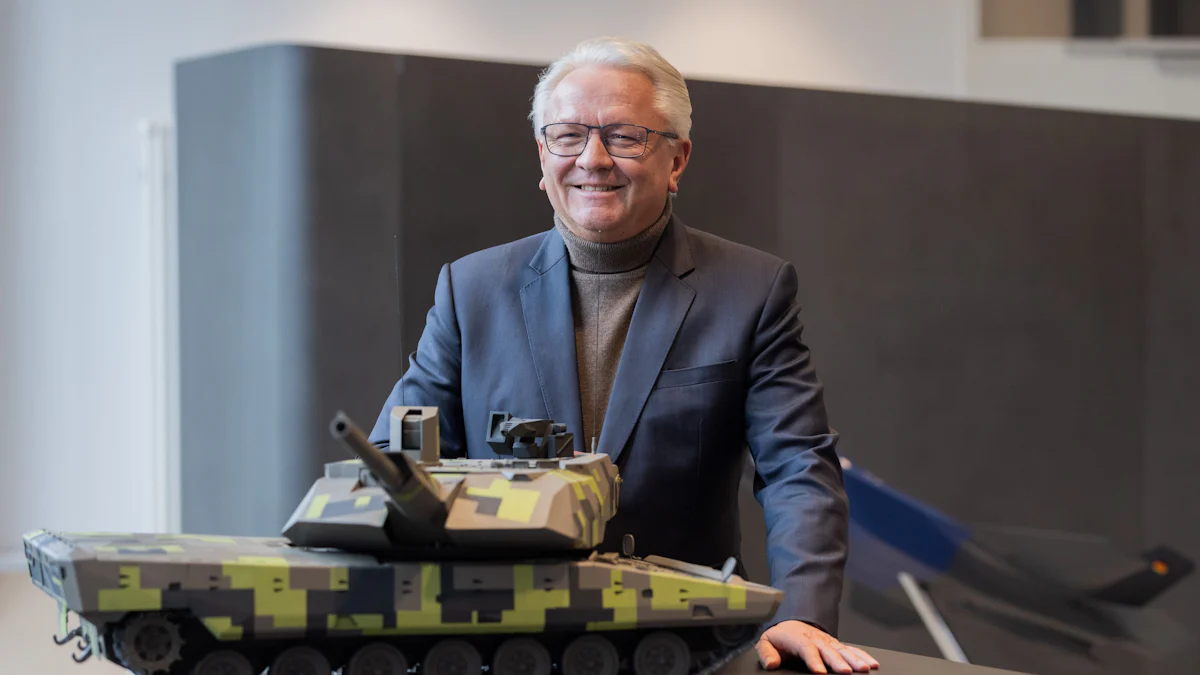
Rheinmetall CEO Armin Papperger recently ignited a significant media storm with his controversial comments about Ukrainian drone production. In an interview, Papperger suggested that “Ukrainian housewives” were assembling drone parts with “3D printers in the kitchen,” equating their innovation to “playing with Lego.” This dismissive characterization of Ukraine’s vital and increasingly sophisticated drone industry, which is crucial for their defense against Russian aggression, drew widespread criticism. The remarks were perceived as tone-deaf and politically insensitive, prompting strong reactions from Ukrainian officials, including President Volodymyr Zelenskyy, who sarcastically offered Papperger’s job to a Ukrainian housewife.
Historically operating in the background, Papperger has emerged as a prominent and outspoken figure in the German defense industry since the “Zeitenwende” (turning point) in European security policy. His rhetoric, often described as direct and robust—akin to the very tanks his company produces—stands in stark contrast to the typically guarded language of corporate executives. This shift in communication style became evident early in 2022 when Papperger swiftly presented a substantial offer list for the Bundeswehr’s 100-billion-euro special fund, showcasing a decisive, no-nonsense approach that surprised many industry peers.
Beyond the immediate controversy, Papperger’s statements highlight deeper tensions within the evolving defense landscape. Critics suggest his remarks might subtly underscore Rheinmetall’s comparatively smaller presence in the rapidly expanding drone market, where agile startups like Helsing or Stark are making significant strides. The ongoing debate about the future of warfare—whether it’s dominated by heavy armor or advanced drone technology, AI, and robotics—is central to the strategic decisions of defense companies. The allocation of substantial state defense budgets also means intense competition for market share and influence, extending beyond mere military effectiveness.
This episode also raises questions about the interplay between immense economic success and corporate communication. Rheinmetall has experienced extraordinary growth, with its stock price soaring from around 90 euros in early 2022 to over 1500 euros, and projected revenues jumping from 5.6 billion to potentially 50 billion euros by 2030. The article posits whether this unprecedented financial expansion has emboldened Papperger, making his rhetoric increasingly direct, and at times, undiplomatic. If there is a correlation between economic power and unbridled linguistic expression, the public may need to brace for even bolder statements from the Rheinmetall chief in the future.

