

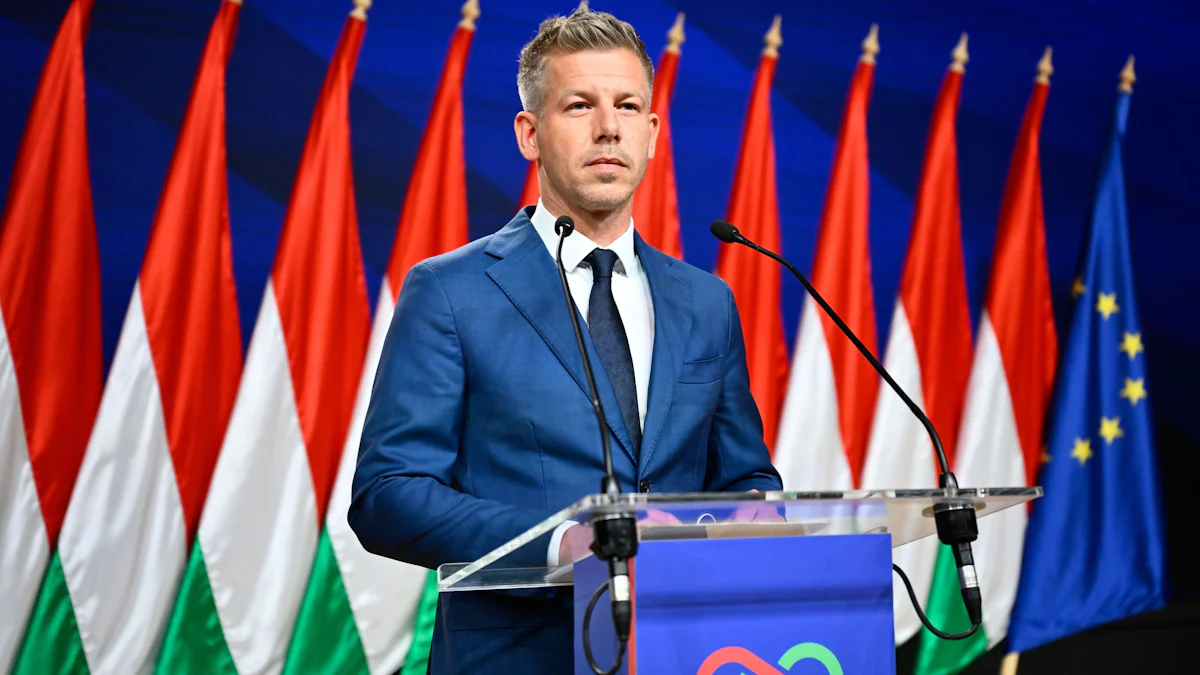
The political landscape in Hungary has dramatically shifted with Péter Magyar’s recent electoral victory, marking the end of Viktor Orbán’s long tenure. Brussels, while celebrating Orbán’s ouster, is cautiously optimistic about the new leadership. Magyar is seen as a potentially more cooperative partner, yet the path ahead promises to be challenging. His immediate test involves the crucial EU credit for Ukraine, an aid package that Orbán had previously blocked. The EU hopes for a swift resolution under Magyar, but his early statements suggest he will pursue Hungary’s interests robustly, albeit within a pro-EU framework. This delicate balance will define his initial interactions with European leaders and set the tone for Hungary’s future role in the bloc.
Signifying a clear pivot from the previous administration, Péter Magyar’s inaugural foreign trip is planned for Warsaw. This visit is more than a diplomatic formality; it’s a strong gesture of solidarity with Polish Prime Minister Tusk’s government and a firm reaffirmation of Hungary’s commitment to the European Union. Crucially, the trip also serves as a pointed message to a shared political adversary: Poland’s right-nationalist PiS party, which had actively supported Viktor Orbán during the recent Hungarian election campaign. By aligning with Tusk, Magyar not only signals a new era of regional cooperation but also distances Hungary from the Eurosceptic, nationalist tendencies that characterized Orbán’s rule, aiming to forge stronger alliances within the EU mainstream.
Meanwhile, the German coalition government has enacted significant relief measures and reforms. Among the key decisions, fuel prices are set to temporarily decrease by 17 cents per liter. The reforms also tackle critical areas like health insurance, income tax, and the contentious “combustion engine ban” debate, reflecting a broad effort to address citizen concerns and modernize various sectors. On a global economic front, US President Donald Trump’s controversial proposal to blockade the Strait of Hormuz could trigger a severe disruption in oil markets. Intended to economically pressure Iran, this move risks substantial oil shortages worldwide, potentially driving global gasoline prices even higher and complicating the economic outlook for many nations, including Germany.
The international arena is also gripped by an unprecedented exchange between US President Donald Trump and Pope Leo XIV. Trump has reportedly launched an unparalleled barrage of insults and attacks against the Pontiff, specifically targeting his calls for peace. Despite the harsh rhetoric, the Head of the Catholic Church has responded with remarkable composure and unwavering resolve, reinforcing his message of peace. Italian politicians have swiftly rallied to the Pope’s side, condemning Trump’s aggressive stance and underscoring the broad support for the Pontiff’s moral authority on the global stage. This clash highlights growing geopolitical tensions and the role of moral leadership amidst political polarization, further underscoring the complexities of the global landscape in April 2026.

