

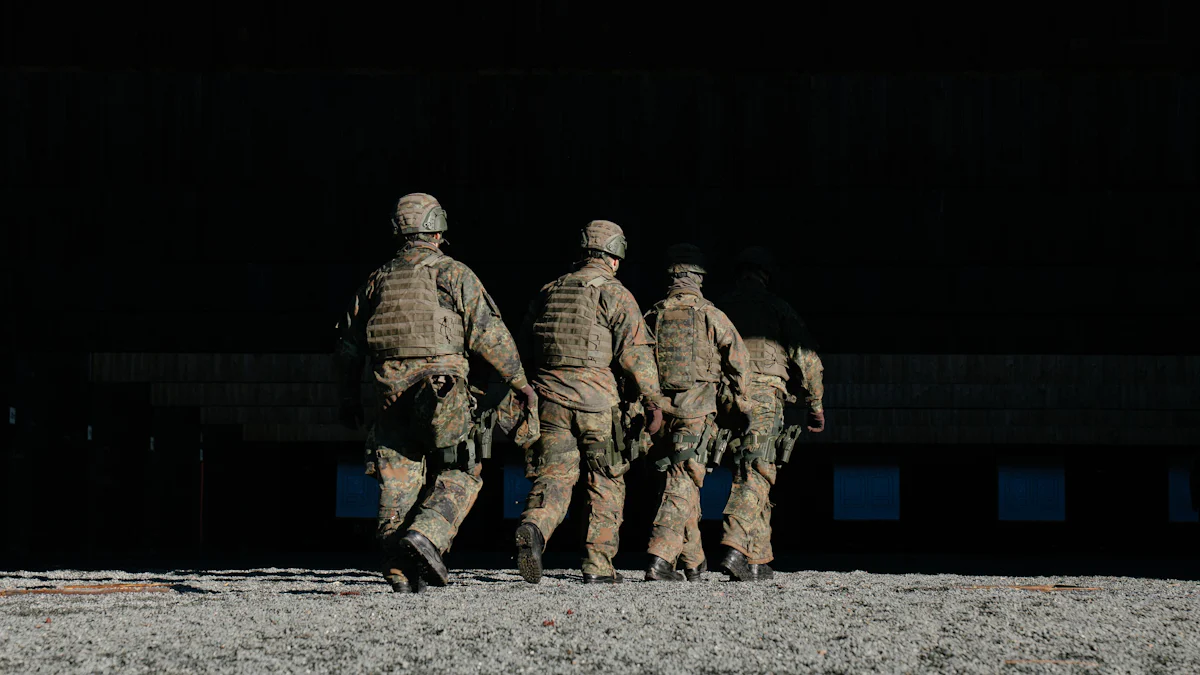
News of a specific clause in Germany’s conscription law, the Wehrpflichtgesetz (WPflG), is stirring debate. Paragraph 3, Section 2 mandates that all male German citizens between the ages of 17 and 45 must obtain permission from the Bundeswehr’s career centers if they plan to leave the Federal Republic of Germany for longer than three months. This provision applies even while the general conscription (Wehrpflicht) remains suspended, specifically stating “ohne dass die Voraussetzungen des § 1 Absatz 2 bereits vorliegen” – meaning, without conscription being actively in force. The rule, though not new or hidden, has recently gained attention, sparking questions about its relevance and implications in the current socio-political climate.
The controversial regulation highlights a latent aspect of Germany’s legal framework regarding national service. While active conscription was suspended in 2011, certain parts of the Wehrpflichtgesetz remain valid, particularly those concerning mobilization readiness and administrative oversight. The requirement for a travel permit is designed to ensure that potential draftees are traceable and available should the state decide to reactivate conscription, for instance, in a defense scenario or crisis. This bureaucratic hurdle, however, seems abstract to many given the long-standing suspension of active military service, making its sudden re-emergence in public discourse surprising for some.
The theoretical difficulty mentioned in the initial topic lies in the disconnect between the active suspension of conscription and the persistence of such an administrative requirement. Critics argue that enforcing or even maintaining such a clause without an active draft creates unnecessary bureaucracy and infringes on individual freedom of movement. Proponents, likely within defense circles, might view it as a necessary precautionary measure to maintain strategic preparedness. The discussion underscores the ongoing challenges of balancing individual liberties with state security interests, especially in a world where geopolitical certainties are increasingly rare.
For now, the practical impact of Paragraph 3, Section 2, on the vast majority of German men is minimal, as the enforcement mechanism for a suspended conscription law is not actively applied to routine travel. However, the current debate serves as a reminder that the Wehrpflichtgesetz is not entirely dormant. It prompts a broader conversation within political circles and among the populace about the future of national service in Germany and the extent to which dormant laws can suddenly gain relevance, even if only theoretically, in times of heightened international tension or domestic policy re-evaluations. This clause, therefore, remains a symbol of latent state powers rather than an immediate travel restriction.

